

Someone I know went away last week. A real trip — the kind you plan for, look forward to, tell people about. And somewhere in the middle of it, she realized she couldn’t stop. Not physically. Her body was there. But her mind was still at the list. Still at the tasks. Still building tomorrow’s agenda while standing in the middle of what was supposed to be her time off.
She came back and shared that, and the room got quiet in the way rooms do when someone has just named something everyone recognizes.
That moment has been sitting with me. Because we all knew exactly what she meant. The body stops and the mind keeps going. The world slows down and something inside us panics. And somewhere underneath all of it is this quiet, persistent question: why is rest so hard to let ourselves have?
I don’t think the answer is laziness. I don’t think it’s that we don’t know how. I think we’ve been handed a story — handed it so many times, for so long, that we’ve started to believe it’s true.
The story goes like this: rest is something you earn.
The Lie About Rest We Were All Handed
I absorbed that story early. A lot of us did. You work, then you rest. You produce, then you get to stop. You finish the list, then you lie down. And if you rest before the list is done? That voice shows up. The one that sounds a little like every authority figure you’ve ever had. You should be doing something.
It’s in the phrases we grew up with. Sleep when you’re dead. Idle hands. Rise and grind. It’s in the way social media turns busyness into a personality — people posting their 5am workouts and their back-to-back schedules like exhaustion is a credential. And it lands differently for people living with mental health challenges, because we’re often working twice as hard just to do half as much. The guilt compounds. We’re already behind, by some internal measure we didn’t choose. Resting feels like falling further back.
I know this one from the inside. There have been whole seasons of my life where stopping felt like a moral failure. Where I measured my worth in output and found myself coming up short, and then couldn’t rest because I hadn’t earned it yet, and then produced even less because I was running on empty, and round and round it went. The story isn’t just untrue. It’s a trap.

Rest Is Bigger Than Sleep
Here’s what I’ve been sitting with lately: rest is not just sleep.
We shrink the definition, and then we wonder why we’re still tired after eight hours. Sleep matters — I’m not diminishing it — but rest is bigger than that. Physician and researcher Dr. Saundra Dalton-Smith has mapped out seven distinct types of rest that most of us are deficient in without even knowing it. Rest is physical, yes — the body lying down, the muscles releasing, the nervous system finally exhaling. But it’s also mental. It’s also emotional. There’s such a thing as social rest — stepping back from relationships that cost more than they give back, not because you don’t love the people in them, but because you’re depleted and depletion isn’t a sustainable way to love anyone.
There’s sensory rest. Silence after noise. Stillness after screens. There’s creative rest, which is real and under-discussed — the artist or writer who burns out not from laziness but from never letting the well refill. There’s spiritual rest, which means different things to different people, but at its core is probably just the experience of being, for a moment, without agenda.
What restores one person will drain another. Rest is personal. That’s not an excuse to avoid it — it’s an invitation to figure out what yours actually looks like. And there’s a question underneath that one, worth sitting with: when did you last feel genuinely rested? Not just caught up. Not just less behind. Actually rested. Do you even know what that feels like for you?
Why the Busy Mind Won’t Quiet Itself
The mind is its own problem. And I mean that tenderly, not critically.
There’s a particular kind of exhaustion that comes from physical stillness and mental chaos running at the same time. You lie down. The room is quiet. The phone is across the room. And then — the list. The replay of a conversation from three days ago. The thing you forgot to do. The thing you’re afraid you’ll forget tomorrow. The slow scroll of everything unresolved.
A busy mind isn’t a character flaw. For a lot of us, it’s a survival response. Somewhere along the way, vigilance kept us safe. Staying alert, staying ahead of the next thing, never fully landing — these were adaptive. They worked. The problem is the nervous system doesn’t always know when the emergency is over. It keeps the watch going long after the danger has passed — and in that state, the body simply cannot access the kind of rest that actually restores.
Noticing the busy mind is the beginning of something. Not the solution — I don’t want to pretend this is as simple as noticing. But you can’t begin to change what you can’t see. Part of that is also learning to separate yourself from the noise — recognizing that you are not your troubling thoughts is one of the quieter shifts that makes space for rest to actually land.

Rest and Mental Health: When It Gets Complicated
Rest gets complicated when you’re living with a mental health condition. I want to say that plainly, without softening it into something more palatable.
Depression can look like rest from the outside. Someone lying in bed, not moving, not going anywhere. From the outside that might look like sleep, like stillness, like the absence of effort. From the inside it feels like being pressed into the floor by something invisible. That is not rest. That is its own kind of labour. Exhausting in a way that sleep doesn’t fix.
Anxiety makes stopping feel impossible. There’s an urgency that anxiety generates — a sense that something bad is coming and motion is the only defense. Resting when you’re anxious can feel like standing still in front of a moving car. Irresponsible. Naive.
And for some of us, high-energy periods make rest feel wasteful. When you’re finally feeling capable, finally feeling momentum, stopping seems like throwing it away.
Rest looks different depending on where you are. Sometimes rest is just surviving the afternoon. Getting to the end of the day without a crisis. Closing your eyes for ten minutes and calling it enough. That counts. It has to count. We can’t set the bar so high that rest becomes another thing we’re failing at. If any of this resonates and you’re looking for support, CMHA BC is a good place to start.
What If Rest Was Actually on Your Goal List
A lot of us in peer support and recovery use small goals to stay on track. And I mean this as a genuine endorsement — small, intentional goals are useful. They give structure when structure is hard to come by, and building a sustainable routine is one of the more reliable ways to make that structure stick. Drink a glass of water. Step outside for five minutes. Send one message to one person.
But here’s the thing I’ve been chewing on: how often is rest on that list?
Not sleep hygiene, though that matters too. Just rest. Actual, designated, this-is-for-me rest, sitting right next to the other goals. Because rest doesn’t happen by accident when you’re managing a mental health condition. It gets crowded out. Other things feel more urgent. Other things feel more justifiable.
Making rest intentional doesn’t diminish it. It actually honours it. It says: this matters enough to plan for. This is not what’s left over after everything else. This is part of the everything.
Some days my brain is just soggy. That’s the only word for it — not foggy, not tired, just soggy, waterlogged, wrung out. And I’ve noticed those are the days I’m most likely to push through anyway, to negotiate with myself, to say five more minutes, one more thing, just finish this. And I’ve noticed those are also the days the body usually wins eventually, whether I cooperate or not. The question is just whether I get there with any grace.
The Guilt Around Resting Is Real — Let’s Name It
The guilt is real. I want to spend a moment here, because I think the guilt is one of the most under-named barriers to rest.
That voice — the one that says you should be doing something — doesn’t go away just because you know it’s not rational. Knowing the story is a lie doesn’t automatically stop the story from playing. Guilt is persistent. It’s also usually inherited. We picked it up from somewhere: a household, a culture, a religion, a message about what made a person worthwhile.
The guilt doesn’t mean the rest is wrong. The guilt means we’ve been carrying something that was never ours to carry in the first place. And a lot of that work — putting down what isn’t yours to carry — is really the work of learning to embrace yourself more fully.
And one of the most quietly courageous things a person can practice — I mean genuinely practice, like a muscle — is this: I’m going to rest, and I’m not going to justify it. Not to myself. Not out loud. Just rest, without the self-imposed trial first.
You can feel the guilt and rest anyway. The guilt doesn’t get the final vote.
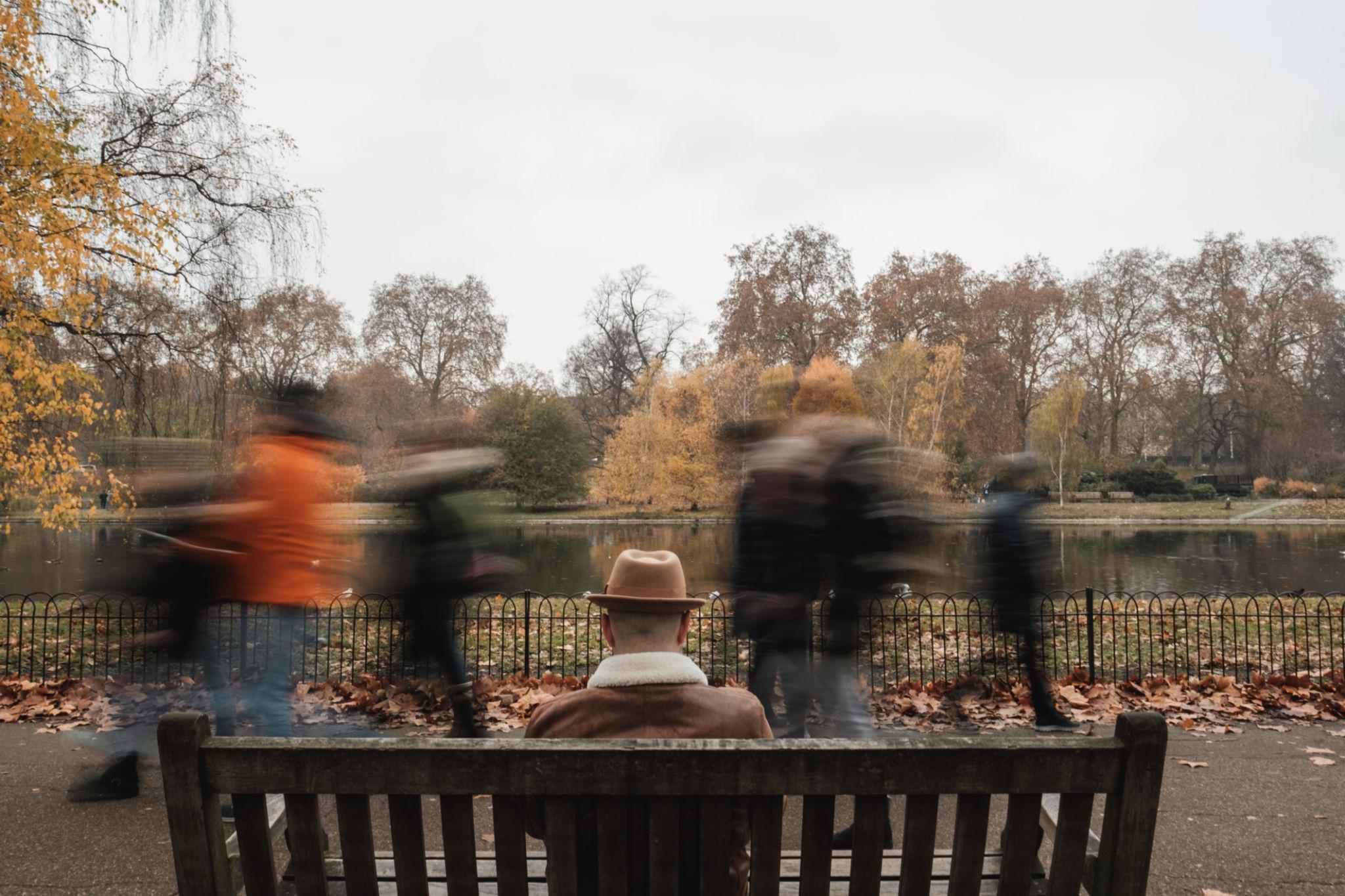
Choosing Rest Is a Quiet Act of Defiance
Someone I follow online — a therapist who writes with the kind of honesty that stops your scrolling — has been posting about rest for weeks. And what struck me, reading through it, was how radical the framing felt. Not because it was complicated. Because it was simple. Rest is not a luxury. It is not a reward. It is not something the productive have earned and the struggling have to wait for.
It is a human need. The same category as food and water and connection. Not optional. Not conditional. Not something you get to have once you’ve finished being useful enough.
That idea has been articulated more powerfully than I can manage by Tricia Hersey, founder of The Nap Ministry and author of Rest Is Resistance. Her framework names what a lot of us feel but can’t quite say: that in a world that profits from our exhaustion, choosing to rest is a small act of defiance. That might sound like a dramatic way to describe lying on the couch, but I don’t think it is. It’s a statement about where worth lives. It says: my value is not located in my output. I am not a production unit. I exist beyond what I produce and what I complete and what I check off.
For people who have fought hard just to get through the day, rest can be the gentlest form of resistance available.

Closing
I keep coming back to that image. Someone standing in the middle of a trip she planned for herself, unable to stop. Unable to just be there. The list pulling her back. The mind refusing to land.
What would it feel like to let yourself rest — not after you finish something, not once you’ve earned it, not as a reward at the end of a long enough stretch of effort — but right now, as you are?
I don’t have a tidy answer for that. I’m not sure there is one. But I think the question is worth asking.
I think you’re worth asking it for.